

By Etan Walker

Imagine sitting down to write a symphonic masterpiece, a hip-hop beat that goes popular right away, or a jazz piece that sounds both old and new at the same time. Now, picture working with a musician who is endlessly gentle, highly skilled, and knows every detail of a huge range of styles, from Mozart to the Beatles. These things are no longer the stuff of science fiction; they are real on MuseNet.
With its roots in the world’s best research lab, OpenAI’s MuseNet is a huge step forward in the field of artistic AI. This tool is completely changing how music is thought up, written, and made. Learning how to use this technology is becoming more and more important for hobbyists, composers, producers, and people who make material in the United States. MuseNet AI is the first thing you should do if you’ve ever wanted to explore the limits of what music can do without having to study theory for years. As you read this complete guide, you will learn everything you need to know about this powerful engine, from how it works to how to use MuseNet to make your musical dreams come true. Get ready for the next generation of making music, which will be driven by AI alone.
MuseNet is a deep neural network at its heart. It is a sophisticated transformer model that was made by OpenAI. Modern language models, like the GPT series, are based on the same basic technology that the AI MuseNet model was trained on. It was trained on a huge dataset of MIDI files from a huge range of styles and artists.

It’s not enough for this strong engine to just string together notes; it needs to learn and use the complicated rules of harmony, rhythm, and structure over long pieces of music. It makes up to ten different instruments play original four-minute musical pieces that stay together over time. It’s like an AI that has learned a huge collection of music and can now write its own music in the style of any artist or genre it has discovered, or even mix styles in completely new ways. Since it is a true generative model that can make music from scratch, the term “musenetting” has come to mean “new ways of composing.”
The powerful thing about MuseNet is that it can do a lot more than just make melodies. Here are five features that make it stand out as a great AI creation tool:
Some of the biggest problems artists face today are fixed by MuseNet, which comes up with clever ways to make the process of making music easier.
If you want to explore the 10+ best AI tools for digital marketing that will make your efforts go through the roof, Read This: Digital Marketing Tools
MuseNet is a very useful tool for many types of people because it can be used in many ways.
It’s important to note that because OpenAI launched MuseNet as a public experiment at first, it doesn’t usually come with specific, perpetual, subscription-based pricing like commercial software does. The core technology, on the other hand, is often available in a number of integrated services or API entry points that the parent company provides. For your knowledge, here is a rough sketch of how tiered access models work, which is common for these kinds of advanced AI tools and shows how much value they provide
The way the platform looks may change, but the basic steps for using MuseNet are still easy to understand and focus on artistic input. To get you started with mindfulness, here is a simple, easy-to-follow guide:
This is what makes your original ideas work.

The field of AI music has grown quickly, but MuseNet was one of the first. Here are three well-known options that people in the US often look for:
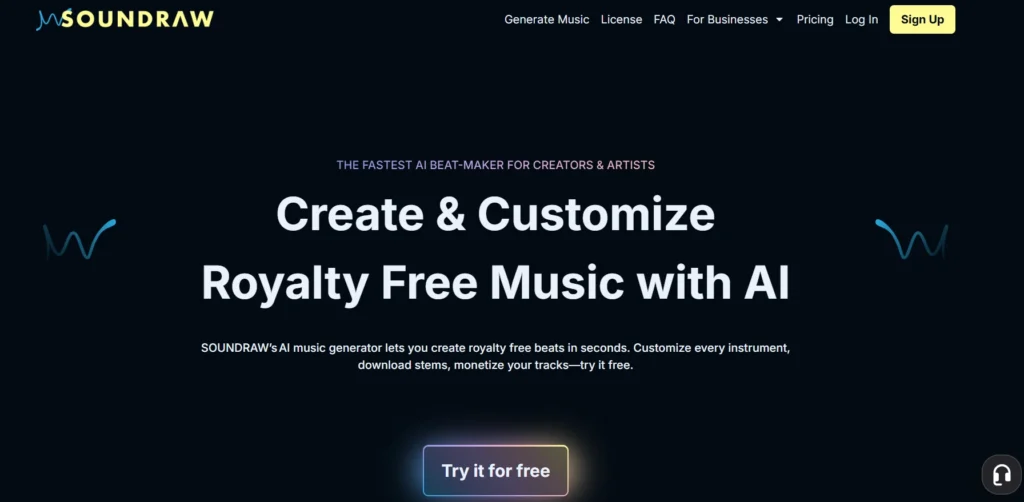
AIVA (Artificial Intelligence Virtual Artist) is great at making film music, orchestral scores, and cinematic scores with a lot of stylistic options.
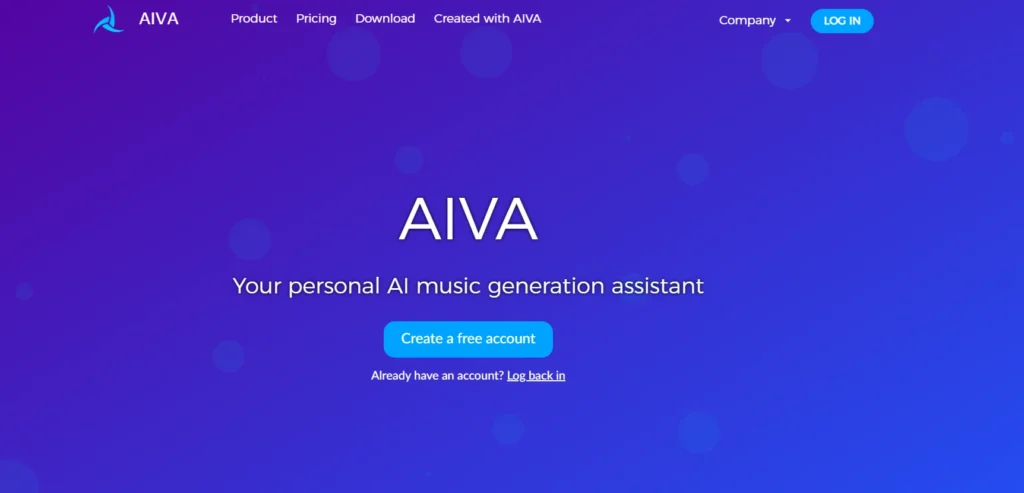
SOUNDRAW is a web-based AI that makes royalty-free music that video and content makers can change based on mood and length.
Amper Music is a cloud-based tool that focuses on speed and ease of use to make quick, royalty-free tracks for people working in the media.
MuseNet, an important accomplishment by OpenAI, has changed the way digital music is composed forever. Using the huge power of deep learning and the transformer design, it has given creators in the US and around the world a way to make complex music with many instruments in a huge variety of styles that has never been seen before. There is a lot of potential, whether you are an experienced artist looking to break creative molds, a filmmaker needing a unique score, or someone who is just interested in how to use MuseNet to explore new sounds. Musenetting, which means working with advanced AI to make new songs, is now an important part of being creative today. As technology keeps getting better, OpenAI’s MuseNet will be recognized not only as a useful tool, but also as the thing that pushed the limits of what is possible between humans and computers. Accept this technology, and it will help you find the music for your next big idea.
The original OpenAI MuseNet research project’s public demonstration interface is no longer being maintained or accessible in the same way. However, the core technology and ideas are still being developed in newer OpenAI models and in third-party interfaces built using the MuseNet AI architecture’s core principles.
MuseNet is a deep neural network that makes up original MIDI music pieces that are four minutes long. It knows a lot about long-term musical structure and rhythm because it can write music in a lot of different styles and mix up to ten instruments.
The public usually can’t get directly to the exact, classic MuseNet demo. But other current AI music platforms and APIs have similar AI music generation features and the same basic ideas behind them. Look for “AI music generators based on transformer models” to find the most similar modern programs to AI MuseNet.
As a result of OpenAI retiring the original public MuseNet demonstration, it seems like the technology is “not working.” It was successfully demonstrated, but it is no longer available as a stand-alone public product that is constantly serviced.
Its main problems are that you can only write music for four minutes at a time, you can’t be sure you have control over certain, subtle musical elements (like how a human performs), and it doesn’t output high-quality audio (it only creates MIDI data, which needs a separate sound engine or DAW to become high-quality audio).
MuseNet stood out because it was one of the first successful uses of the powerful Transformer design in long-form, symbolic music with many instruments. AIVA and SOUNDRAW are two new tools that focus on making audio levels or specific licensing/mood results. OpenAI MuseNet, on the other hand, did a great job of showing how to compose and blend genres in a way that is based on theory.
MuseNet’s work and other AI music is changing the music business by being a powerful co-pilot and automation tool, not as a replacement for human innovation. It lets you make quick prototypes and come up with new ideas, but artists are still needed to add emotional depth, final arrangement, performance, and commercial purpose. It’s not a takeover; it’s just more tools for the artist.
Thank you for reading this article. I hope this article helps you a lot, and you won’t have to search again for MuseNet on the internet.