

TechBoundry

By Etan Walker

Imagine sitting down to write a symphonic masterpiece, a hip-hop beat that goes popular right away, or a jazz piece that sounds both old and new at the same time. Now, picture working with a musician who is endlessly gentle, highly skilled, and knows every detail of a huge range of styles, from Mozart to the Beatles. These things are no longer the stuff of science fiction; they are real on MuseNet.

With its roots in the world’s best research lab, OpenAI’s MuseNet is a huge step forward in the field of artistic AI. This tool is completely changing how music is thought up, written, and made. Learning how to use this technology is becoming more and more important for hobbyists, composers, producers, and people who make material in the United States. MuseNet AI is the first thing you should do if you’ve ever wanted to explore the limits of what music can do without having to study theory for years. As you read this complete guide, you will learn everything you need to know about this powerful engine, from how it works to how to use MuseNet to make your musical dreams come true. Get ready for the next generation of making music, which will be driven by AI alone.

Table of Contents

What Is MuseNet?

MuseNet is a deep neural network at its heart. It is a sophisticated transformer model that was made by OpenAI. Modern language models, like the GPT series, are based on the same basic technology that the AI MuseNet model was trained on. It was trained on a huge dataset of MIDI files from a huge range of styles and artists.

what is MuseNet, musenet

It’s not enough for this strong engine to just string together notes; it needs to learn and use the complicated rules of harmony, rhythm, and structure over long pieces of music. It makes up to ten different instruments play original four-minute musical pieces that stay together over time. It’s like an AI that has learned a huge collection of music and can now write its own music in the style of any artist or genre it has discovered, or even mix styles in completely new ways. Since it is a true generative model that can make music from scratch, the term “musenetting” has come to mean “new ways of composing.”

Key Features

The powerful thing about MuseNet is that it can do a lot more than just make melodies. Here are five features that make it stand out as a great AI creation tool:
Multi-Instrumental Composition

  • It can write full musical pieces by supporting up to ten different instruments at the same time, creating a full, layered soundscape instead of just a single note.

Diverse Genre Blending

  • The model has had a lot of training, so it can make music in the styles of a lot of different singers and genres, from classical greats like Bach and Mozart to modern pop, rock, and jazz.
  • It can even combine these styles without any problems within the same piece.

Long-Term Musical Coherence

  • Older AI models often lost structure after a few seconds.
  • OpenAI MuseNet, on the other hand, uses the Transformer design to keep thematic consistency and harmonic progression stable over compositions up to four minutes long, giving real musical structure.
feature of musenet, musenet

Style & Intro Conditioning

  • Users can “seed” the generation process by choosing a certain style of music or even a short, well-known introductory snippet from a famous song or classical work.
  • This changes the way the AI composes.

Output in MIDI for Full Control

  • The output is in MIDI format, which is the standard language for digital music.
  • This gives artists full control because they can import the generated score into any Digital Audio Workstation (DAW) to make more changes, edit, and master the music.

Why This Is Useful: It Solves Problems

Some of the biggest problems artists face today are fixed by MuseNet, which comes up with clever ways to make the process of making music easier.

  1. Problem: Creative Block for Composers
    Solution: It gives you brand-new rhythmic and harmonic ideas to work with, breaking down mental blocks and guiding you down new creative paths.

  2. Problem: Need for Custom, Royalty-Free Background Music Solution: It quickly creates one-of-a-kind scores that fit specific moods and styles, giving content creators legal, high-quality tracks to work with.

  3. Problem: Difficulty in Arranging Multi-Instrumental Pieces 
    Solution: The tool automatically balances the harmonics and makes sure that all parts work together, even if there are up to ten instruments.

  4. Problem: Time-Consuming Prototyping and Idea Testing Solution: It lets artists make multiple versions of a musical idea right away in different styles, which saves them a huge amount of time writing music by hand.

  5. Problem: Limited Knowledge of Musical Theory in Non-Musicians
    Solution: Creators who haven’t had formal training can still make complex compositions that sound good musically by using the AI’s deep knowledge of music theory.

Related Post

If you want to explore the 10+ best AI tools for digital marketing that will make your efforts go through the roof, Read This: Digital Marketing Tools

Who Can Use MuseNet

MuseNet is a very useful tool for many types of people because it can be used in many ways.
Professional Music Producers

  • They use it to quickly try out different song patterns and mix genres without having to arrange each one by hand.
  • The MIDI output is easy to add to their current studio process so that they can make changes and mix professionally.

Digital Content Creators

  • So that videos and shows don’t use generic stock music, they can make custom background music.
  • They can quickly make the perfect mood-setting music for their content because they can choose the style and length.

Experimenters & Hobbyist Musicians 

  • They are given a large area where they can experiment with difficult artistic ideas and arrangements that are beyond their current level of skill.
  • The tool teaches by showing how different styles and instruments work together to make a whole.
who cann use musenet, musenet

Game Developers and Filmmaker

  • They need a huge collection of original, mood-based music for a wide range of situations in games or on TV.
  • Making four-minute songs quickly is great for making scores on short notice and with limited funds.

Music Educators and Theorist

  • They can show and play it for students to understand difficult music theory ideas like voice leading and rhythmic movement.
  • As an example, it shows how current computer models can understand and recreate old musical styles.

Price Plans

It’s important to note that because OpenAI launched MuseNet as a public experiment at first, it doesn’t usually come with specific, perpetual, subscription-based pricing like commercial software does. The core technology, on the other hand, is often available in a number of integrated services or API entry points that the parent company provides. For your knowledge, here is a rough sketch of how tiered access models work, which is common for these kinds of advanced AI tools and shows how much value they provide

Basic Access Tier

Minimal Monthly Fee
  • Limited Generations
  • Basic Instrument Set
  • Standard Processing
  • Community Support
  • MIDI Download

Pro Tier

Moderate Monthly Fee
  • Unlimited Generations
  • Expanded Instrument Set
  • Priority Processing
  • Commercial Rights
  • Advanced Customization

API Tier

Usage-Based Monthly Fee
  • API
  • Highest Processing
  • Speed Dedicated
  • Technical Support
  • Model Fine-Tuning
  • Volume Licensing

Pros & Cons

✅ Pros

  • It comes up with long, structurally good compositions, which is a big problem for AI.
  • Combines different types of music in new, interesting, and enjoyable ways.
  • It’s a great tool for inspiration that breaks through composition blocks right away.
  • Offers MIDI output, which makes it easy to connect to professional tools.
  • Democratizes creation, letting people who aren’t musicians make complicated music.

❌ Cons

  • Even though the music that is generated is technically good, it doesn’t always have real emotional depth.
  • Users might not be able to completely change every note or minor instrument choice.
  • Longer production times can happen when there are a lot of computations to do.
  • It might not be able to pick up on the finer points of niche modern styles.
  • A MIDI-compatible system (DAW) is needed for high-quality audio export in the end.

How to Use MuseNet - Step by Step

The way the platform looks may change, but the basic steps for using MuseNet are still easy to understand and focus on artistic input. To get you started with mindfulness, here is a simple, easy-to-follow guide:

Step 1: Go to the MuseNet interface.

  • You need to go to the OpenAI MuseNet model’s official entry point.
  • Most of the time, you will see a simple, clean user interface that is meant to make entering information easier.

Step 2: Pick the mode for your generation

  • You can choose between an Advanced Mode and a Simple Mode.
  • The Simple Mode makes things easier for people who are just starting out. All of the settings can be changed in Advanced Mode, which is suggested for more artistic freedom.

Step 3: Choose a style and a place to begin

This is what makes your original ideas work.
  • Click on a Style: Pick one or more types of music or artists, like “Jazz,” “Mozart,” or “The Beatles.” These things will be used by the AI MuseNet.
  • Choose an Intro: To start the composition, you can either choose a short piece of music (the “seed”) from the library that is given or upload your own MIDI file. This tells the AI what the mood and key signature are at the start.
how to use musenet, musenet

Step 4: Choose the instruments

  • You can choose up to ten different instruments, like Piano, Drums, String Section, Bass, etc., that you want the model to use in the piece.
  • Remember that the model sees these as tips, but it gives them a lot of weight when it comes to making new ideas.

Step 5: Choose the length and temperature

  • Tokens/Length: Move the slider to set the general length of the piece. Composition length is usually measured in musical “tokens,” which roughly translate to duration; musicians usually aim for up to four minutes.
  • Temperature/Variability: Change the “temperature” setting. A higher temperature makes compositions that are more random, creative, and “surprising.” A lower temperature makes music that sticks to learned rules more closely.

Step 6: Start the generation process

  • Choose “Generate” or “Compose” and click it. Your settings will be gone over by the MuseNet system. When you ask for something in Advanced Mode, it usually gives you four different options from which to choose the best one.

Step 7: Look it over and download it.

  • You can listen to the track(s) right on the site.
  • As soon as you find a piece you like, click the “Download” button to save it as a MIDI file, which you can then open in your professional music software.
  • This is the last thing you need to do to use AI MuseNet for your project.

Alternatives Tools

The field of AI music has grown quickly, but MuseNet was one of the first. Here are three well-known options that people in the US often look for:

AIVA (Artificial Intelligence Virtual Artist) is great at making film music, orchestral scores, and cinematic scores with a lot of stylistic options.
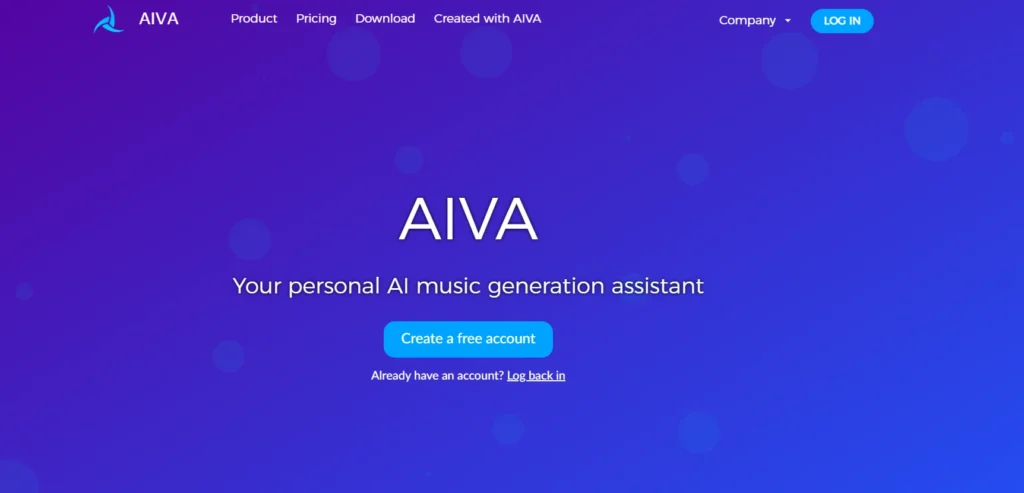
AIVA

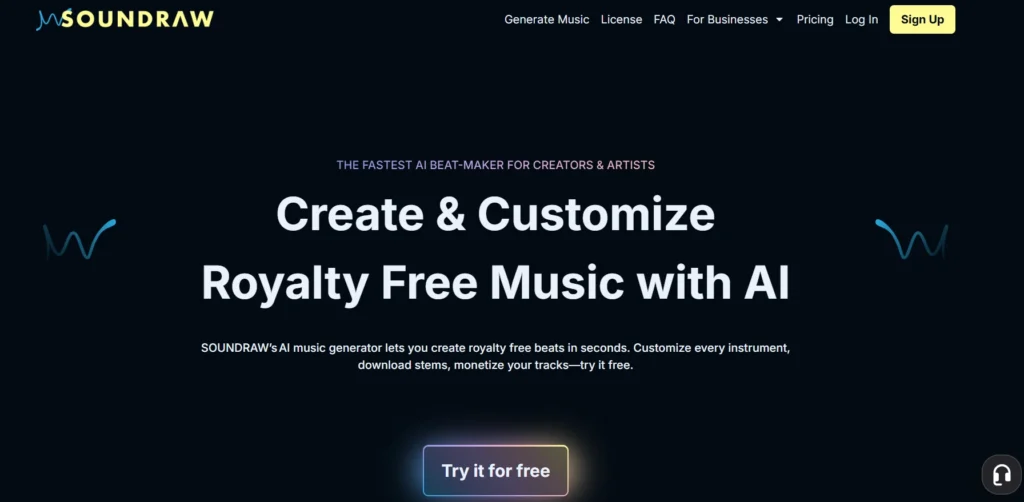
SOUNDRAW is a web-based AI that makes royalty-free music that video and content makers can change based on mood and length.
SOUNDRAW

Amper Music is a cloud-based tool that focuses on speed and ease of use to make quick, royalty-free tracks for people working in the media.
Amper Music

Conclusion

MuseNet, an important accomplishment by OpenAI, has changed the way digital music is composed forever. Using the huge power of deep learning and the transformer design, it has given creators in the US and around the world a way to make complex music with many instruments in a huge variety of styles that has never been seen before. There is a lot of potential, whether you are an experienced artist looking to break creative molds, a filmmaker needing a unique score, or someone who is just interested in how to use MuseNet to explore new sounds. Musenetting, which means working with advanced AI to make new songs, is now an important part of being creative today. As technology keeps getting better, OpenAI’s MuseNet will be recognized not only as a useful tool, but also as the thing that pushed the limits of what is possible between humans and computers. Accept this technology, and it will help you find the music for your next big idea.

Frequent Ask Questions

Is MuseNet still up and running?

The original OpenAI MuseNet research project’s public demonstration interface is no longer being maintained or accessible in the same way. However, the core technology and ideas are still being developed in newer OpenAI models and in third-party interfaces built using the MuseNet AI architecture’s core principles.

What does MuseNet do?

MuseNet is a deep neural network that makes up original MIDI music pieces that are four minutes long. It knows a lot about long-term musical structure and rhythm because it can write music in a lot of different styles and mix up to ten instruments.

How do I get into MuseNet?

The public usually can’t get directly to the exact, classic MuseNet demo. But other current AI music platforms and APIs have similar AI music generation features and the same basic ideas behind them. Look for “AI music generators based on transformer models” to find the most similar modern programs to AI MuseNet.

Does MuseNet not work?

As a result of OpenAI retiring the original public MuseNet demonstration, it seems like the technology is “not working.” It was successfully demonstrated, but it is no longer available as a stand-alone public product that is constantly serviced.

What can't you do with MuseNet?

Its main problems are that you can only write music for four minutes at a time, you can’t be sure you have control over certain, subtle musical elements (like how a human performs), and it doesn’t output high-quality audio (it only creates MIDI data, which needs a separate sound engine or DAW to become high-quality audio).

What makes MuseNet different from other AI music tools?

MuseNet stood out because it was one of the first successful uses of the powerful Transformer design in long-form, symbolic music with many instruments. AIVA and SOUNDRAW are two new tools that focus on making audio levels or specific licensing/mood results. OpenAI MuseNet, on the other hand, did a great job of showing how to compose and blend genres in a way that is based on theory.

Is AI music taking over?

MuseNet’s work and other AI music is changing the music business by being a powerful co-pilot and automation tool, not as a replacement for human innovation. It lets you make quick prototypes and come up with new ideas, but artists are still needed to add emotional depth, final arrangement, performance, and commercial purpose. It’s not a takeover; it’s just more tools for the artist.

Thank you for reading this article. I hope this article helps you a lot, and you won’t have to search again for MuseNet on the internet.

Leave a Comment

Your email address will not be published. Required fields are marked *

Scroll to Top